

Sobering thoughts on the very real possibility of a major disruption to our food supply
By Sarah Winbow
Have you ever wondered where your food supply would come from in the wake of a national or international emergency that resulted in a major disruption to our food supply?
Food vulnerability
We have not had any real self-sufficiency in food security in the UK since the early 19th century, prior to mass migration from rural areas to the newly-industrialised cities. After WW2, the 1947 Agricultural Act began to drive an agenda to industrialise farming, with the result that the very companies producing the chemicals to spray our crops are the same ones producing the medicines to correct the side-effects of eating them! Since the 1960s we have undergone a complete transformation in what we eat; we no longer rely on seasonal home-grown foods, but increasingly on imported ingredients that we feel we need to service our changed tastes and multi-cultural diets. Many do not even know how to make a meal from scratch, preferring ready meals and bottled sauces that are full of unhealthy preservatives and additives.
We no longer rely on seasonal home-grown foods
The true cost of eating refined, processed, over-chemicalised, hormone-induced foods from the industrialised modern farming is our national health: two-thirds of our population is overweight, with half of these being considered obese. Moreover, our food industry wastes a third of what is produced, while consumers waste a further third by throwing food away when it reaches its ‘best before’ or ‘sell by’ dates, both of which are only meant as guidelines.
The 2030 Agenda
Behind all this is the working out of the 2030 Agenda for Sustainable Development, launched by President Obama and Pope Francis in Rome in 2015, and adopted by the United Nations. In short, it means that sustainability in the environment is being elevated over food production. So, farmers are incentivised to give up their land to renewable energy (solar and wind farms), housing, re-wilding, non-food production business on agricultural land such as glamping, herbal leys, forestry and industrial parks – which has grave implications for long-term farming and food security.
The UK has an official Government Resilience Framework, published in 2022, but it offers little on the role of the public in civil food resilience. The 2025 National Risk Register only conceives of one direct food impact, that of food supply contamination, which is seriously downplaying what specialists in the food industry regard as a likely outcome.
The very companies producing the chemicals to spray our crops are the same ones producing the medicines to correct the side-effects of eating them!
On 22 May 2024, the then Deputy Prime Minister, Oliver Dowden, gave a speech on resilience, in which he advised the public to store three days’ worth of food at home. This appears to have followed the launch of a ‘Prepare’ website by the Emergency Planning College, but it was issued without explanation or context and failed to offer any form of strategic guidance or infrastructure, especially for those who do not have any means to grow their own.
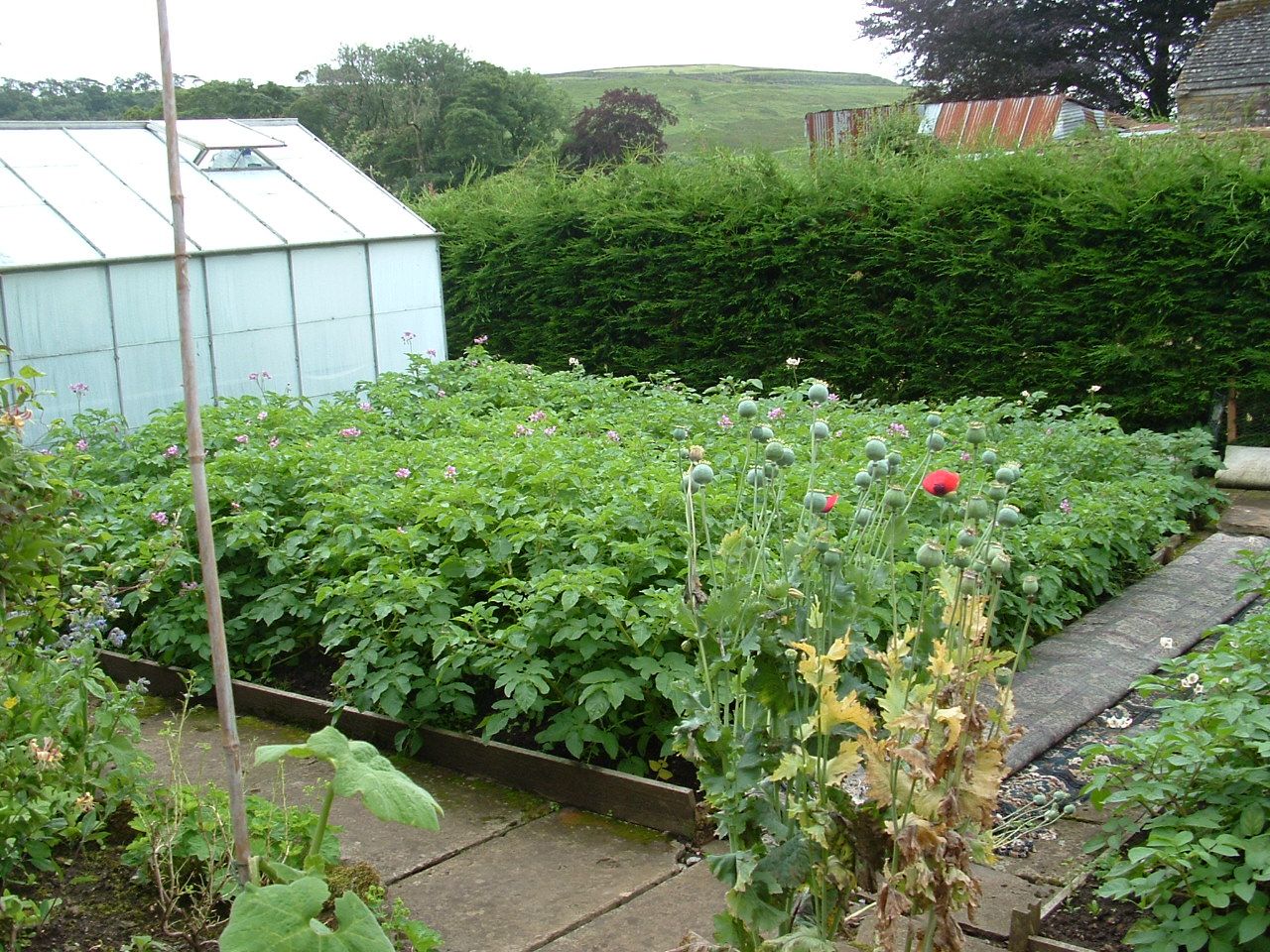
To grow food for a local community would require infrastructure, wisdom and a large support network. Even then, it is practically impossible to grow and preserve the sheer volume of food needed to feed ourselves for a year without resorting to imports. Yet people up and down the country are increasingly starting to grow their own and you’ll find they are happy to share their experience.
Sarah’s storehouse – how Sarah Winbow started growing her own food from scratch in Cumbria – available to digital subscribers here – https://www.heartpublications.co.uk/sarahs-storehouse/